

Why Your Bolton, MA Property Needs Custom Landscape Maintenance and Irrigation
Landscape maintenance and irrigation in Bolton, MA are investments in the beauty, health, and functionality of your outdoor spaces. Proper landscape maintenance ensures that your property looks pristine year-round, while an efficient irrigation system helps keep your plantings vibrant and lush, no matter the season. We specialize in providing comprehensive landscape care and irrigation solutions that will transform your property into a space of peace, comfort, and natural beauty.

7 Outdoor Lighting Ideas That Bring Evening Ambiance to Westford, MA Homes
When you think about what makes a backyard feel finished, your mind probably goes to the stonework, the greenery, or the patio furniture. But there’s one design element that does more to shape your evenings outside than most homeowners realize: The lighting. Outdoor lighting in Westford, MA homes isn’t about floodlights or holiday displays—it’s how you bring your landscape to life after sunset. It sets the mood. Draws the eye. And makes your outdoor spaces feel like home, even at night.

What Is Hydroseeding? The Grounds Maintenance Solution Behind Westford, MA’s Lush Lawns
Ever noticed how some lawns in Westford, MA, look like they’ve been airbrushed into perfection? Perfect coverage. No bald spots. Deep color. Thick growth. These aren’t accidents. They’re the result of smart grounds maintenance, and more often than not, hydroseeding is the not-so-secret weapon behind it.

Expert Landscape Maintenance and Plantings in Acton and Westford, MA for a Vibrant Backyard
A great backyard makes home life better. Period. In Acton and Westford, MA, landscape maintenance and plantings create outdoor spaces where families want to spend time. The New England climate brings challenges and opportunities for your yard. This blog breaks down how professional care keeps plants healthy and yards looking their best year-round. We've helped countless homeowners in these communities turn basic backyards into personal retreats that reflect their lifestyle and accommodate everything from quiet mornings to weekend gatherings.

Expert Irrigation and Grounds Maintenance Services in Westford, MA: Keep Your Lawn Lush and Healthy
Keeping a commercial property looking sharp isn’t as simple as mowing the lawn once in a while. Grass doesn’t stop growing, weeds don’t take breaks, and irrigation systems don’t fix themselves. Irrigation and grounds maintenance in Westford, MA isn’t just about appearances—it’s about keeping landscapes functional, professional, and hassle-free. The right team ensures your property stays polished without constant oversight.

8 Landscape Design and Paver Patio Ideas to Enhance Your Outdoor Space in Newton and Wellesley, MA
Your outdoor space should reflect the same level of sophistication and comfort as the rest of your home. With high-end landscape design and a paver patio in Newton and Wellesley, MA, you can transform your backyard into an oasis that’s both functional and stunning. From elegant retaining walls to cozy fire pit areas, there’s no shortage of ways to elevate your outdoor living experience.
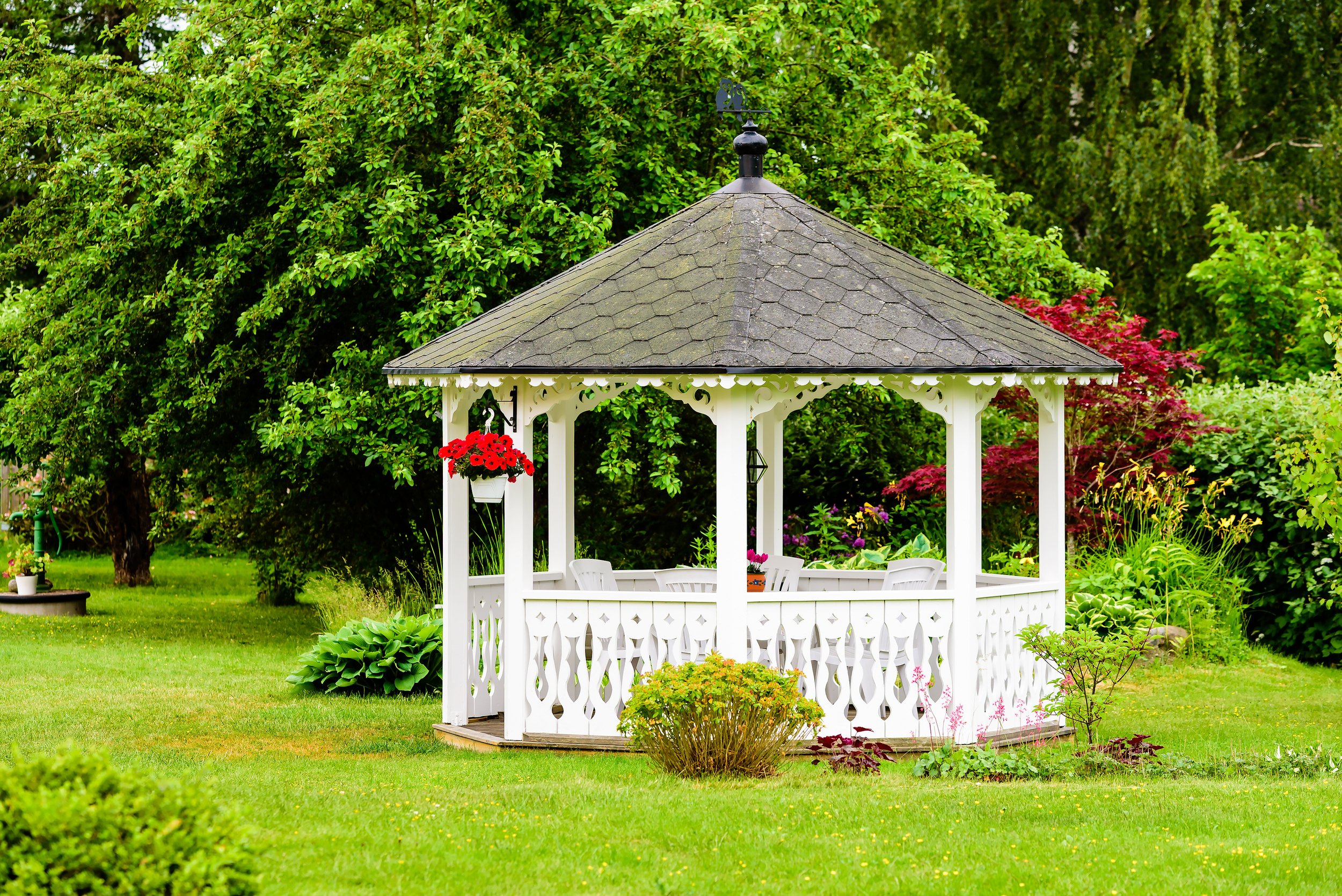
Create a Peaceful Retreat: 7 Ways a Custom Gazebo in Harvard, MA Enhances Your Backyard
Nestled among lush greenery or overlooking serene vistas, a gazebo can serve as the centerpiece of your outdoor space while providing a peaceful retreat from the hustle of everyday life. A professionally designed and built gazebo in Harvard, MA, not only enhances your backyard’s beauty but also creates opportunities for year-round enjoyment. Here are seven ways a custom gazebo can elevate your outdoor living experience.

How a Custom Fire Pit in Newton and Wellesley, MA Can Transform Your Backyard Into a Cozy Retreat
A custom fire pit is an excellent way to elevate your backyard in Newton and Wellesley, MA, into a warm, inviting space perfect for relaxing or entertaining. When you hire experts to design and build a fire pit, the result is a seamless addition to your outdoor space that serves as a focal point while enhancing the atmosphere of your backyard. Whether you envision a modern design or a more rustic feel, a fire pit brings functionality and charm, turning your outdoor area into a cozy retreat year-round.

Transform Your Backyard Into an Elegant Outdoor Lounge With a Retaining Wall in Concord and Weston, MA
A retaining wall in Concord and Weston, MA, can do more than hold back soil. It can completely reshape your outdoor living space, giving your backyard a functional and stylish upgrade. Whether your landscape is uneven or you want to add depth, a retaining wall will create a solid foundation for beautiful outdoor living areas. When done professionally, it offers practicality and a sophisticated design element that enhances your backyard.

4 Ways Landscape Maintenance in Newton and Harvard, MA Prepares Your Backyard for Cozy Seasonal Gatherings
As the seasons change, preparing your outdoor space becomes essential for hosting cozy gatherings with friends and family. With landscape maintenance in Newton, MA, and Harvard, MA, you can ensure your outdoor space is ready for fall and winter events. From clearing walkways to enhancing features like natural stone patios, thoughtful care transforms your space into an inviting retreat.
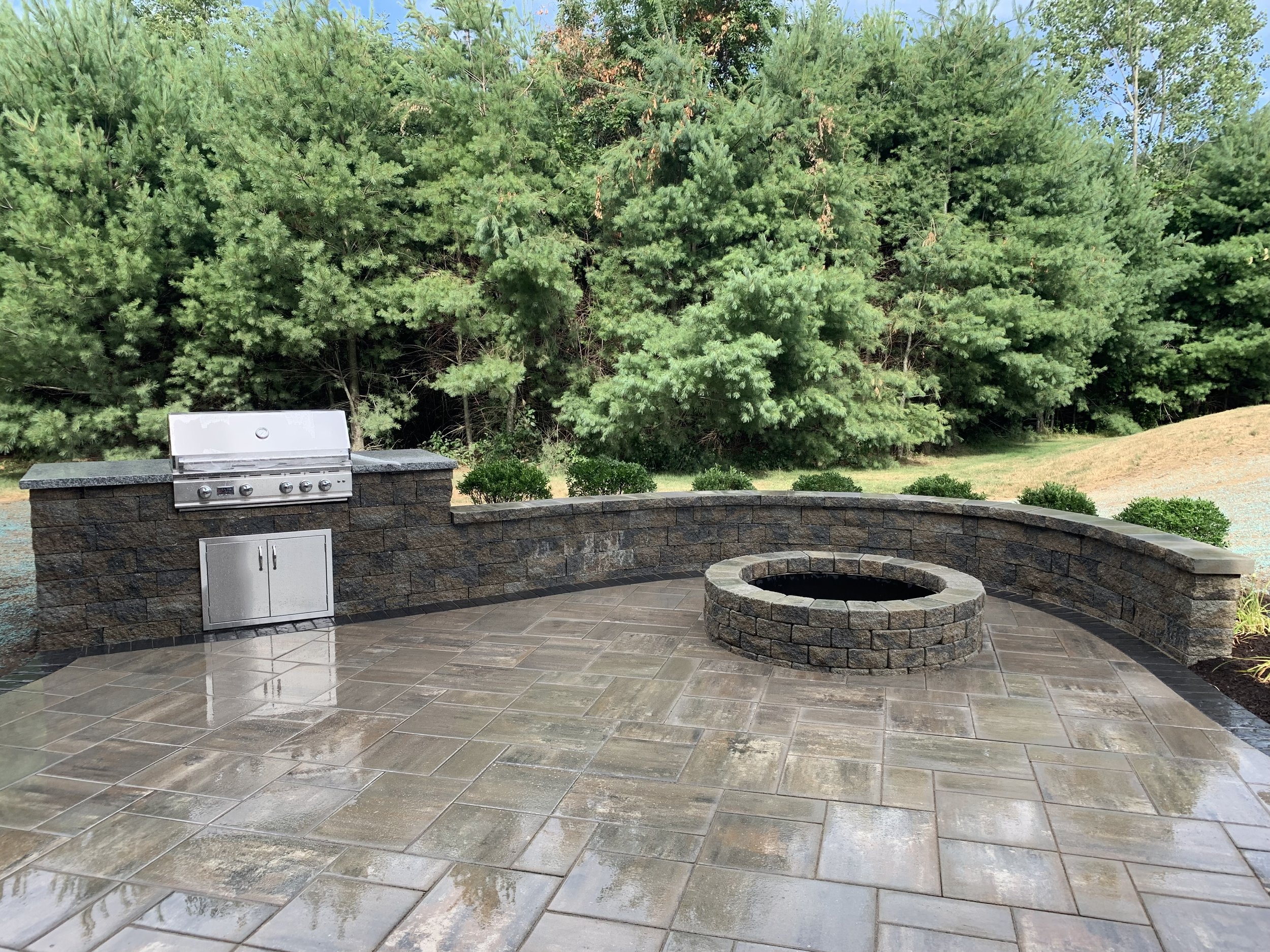
Enhance Your Backyard With a Retaining Wall Ideal for Cozy Fire Pit Areas in Wayland and Charlton, MA
A retaining wall can turn an ordinary backyard into a functional, inviting space. In Wayland, MA, and Charlton, MA, a well-designed retaining wall is a perfect backdrop for creating a cozy fire pit area. It helps level sloped backyards, add structure, and make a seamless area for relaxing and entertaining. When you hire landscape professionals to install your retaining wall, every detail, from design to placement, will be handled, ensuring a sturdy and aesthetic addition to your outdoor space.

Create a Relaxing Outdoor Reading Nook With a Custom Pergola in Holliston and Acton, MA
A custom pergola is the perfect addition to your outdoor space, providing a shaded retreat for reading, relaxing, or enjoying a cup of coffee. Whether in Holliston or Acton, MA, a professionally designed and built pergola can transform your backyard into a serene haven. When you hire experts for the job, they will take care of every detail—from design to construction—ensuring that your pergola meets both your functional and aesthetic needs.

6 Ways an Efficient Irrigation System in Wellesley, MA Ensures a Peaceful Outdoor Retreat
In Wellesley, MA, an efficient irrigation system can transform outdoor spaces into a peaceful retreat by ensuring your landscape stays healthy and vibrant without requiring constant attention. With a well-planned irrigation system, you can enjoy the beauty of lush plantings and natural stone walkways, knowing that your landscape is being properly watered with minimal effort. Here are five ways an irrigation system ensures a tranquil outdoor space.
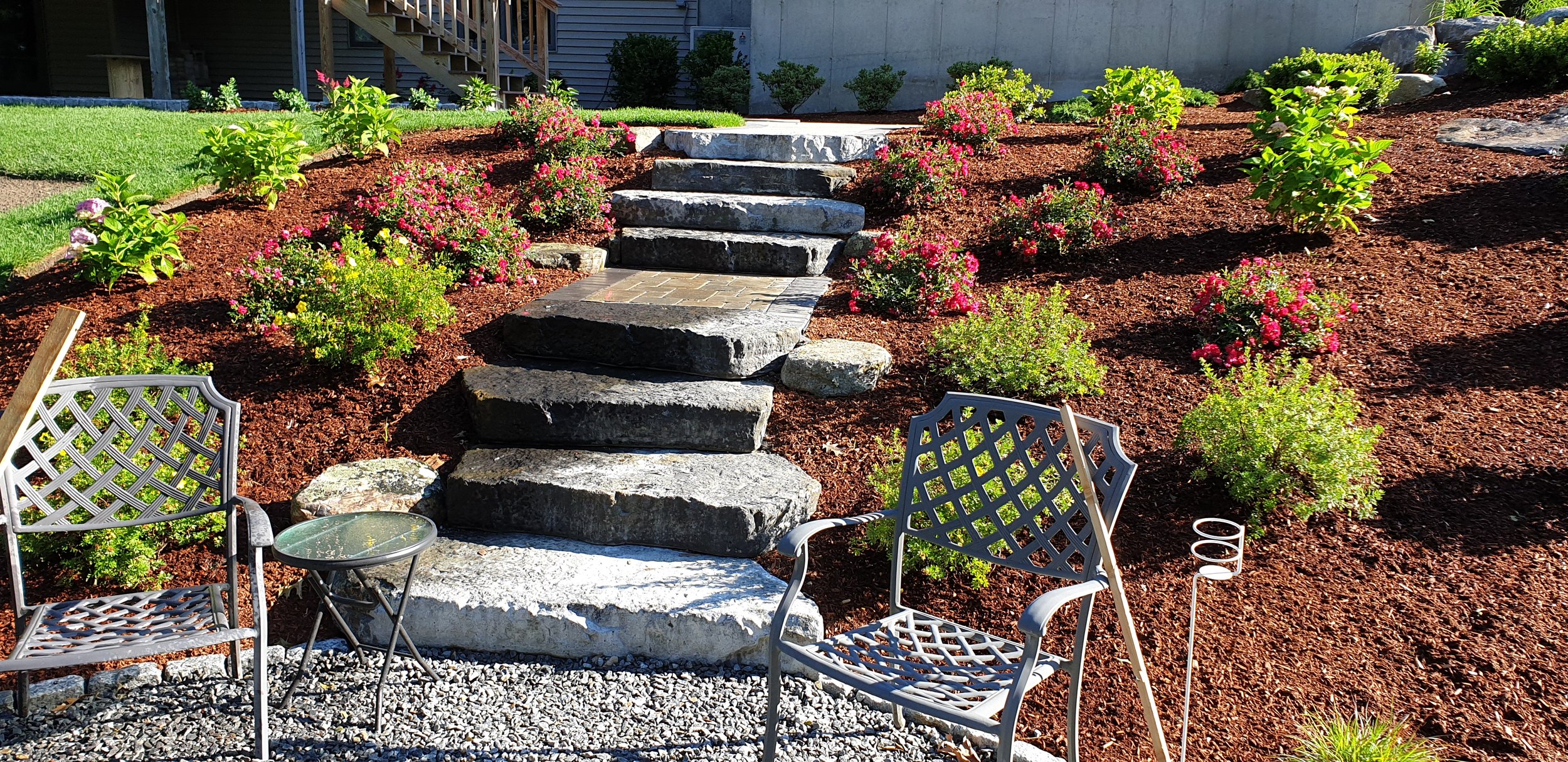
Start Your Day Right: Morning Coffee Rituals With Thoughtful Landscape Design in Concord, MA
A thoughtfully designed outdoor space can be the perfect setting for your morning coffee ritual, providing a peaceful escape to start your day on the right foot. With careful landscape design in Concord, MA, you can create a space that enhances your connection to nature while offering comfort and beauty. From natural stone patios to intimate seating areas surrounded by lush plantings, every detail can be tailored to your needs.

How Landscaping in Newton and Wellesley, MA, Can Transform Your Backyard Into a Family Picnic Spot
A family picnic in your own backyard can be a delightful way to spend quality time together. With the right landscaping services in Newton and Wellesley, MA, transforming your outdoor space into an ideal family gathering spot becomes a reality. A professional can design a space that combines beauty, function, and the perfect atmosphere for family enjoyment.

Expert Landscaping Practices to Bring Fresh Colors and Scents to Your Sudbury or Ashland, MA Yard
Enhancing your backyard with vibrant colors and delightful scents can create an inviting atmosphere that transforms outdoor spaces into serene retreats. Expert landscape services in Sudbury and Ashland, MA, are equipped to help homeowners achieve this dream. By incorporating carefully selected plantings, blossoms, and aromatic herbs, professionals will craft a lush environment tailored to your preferences, ensuring a sensory experience that captivates and delights.

The Importance of Efficient Irrigation Systems for Healthy Landscapes in Newton, MA and Wayland, MA
In Newton, MA, and Wayland, MA, efficient irrigation systems are essential for maintaining vibrant outdoor environments. A well-designed irrigation system ensures that plants receive the right amount of water, promoting healthy growth and creating an inviting space for relaxation. By partnering with professional irrigation services, homeowners can enjoy beautifully maintained landscapes without the hassle of managing watering needs.
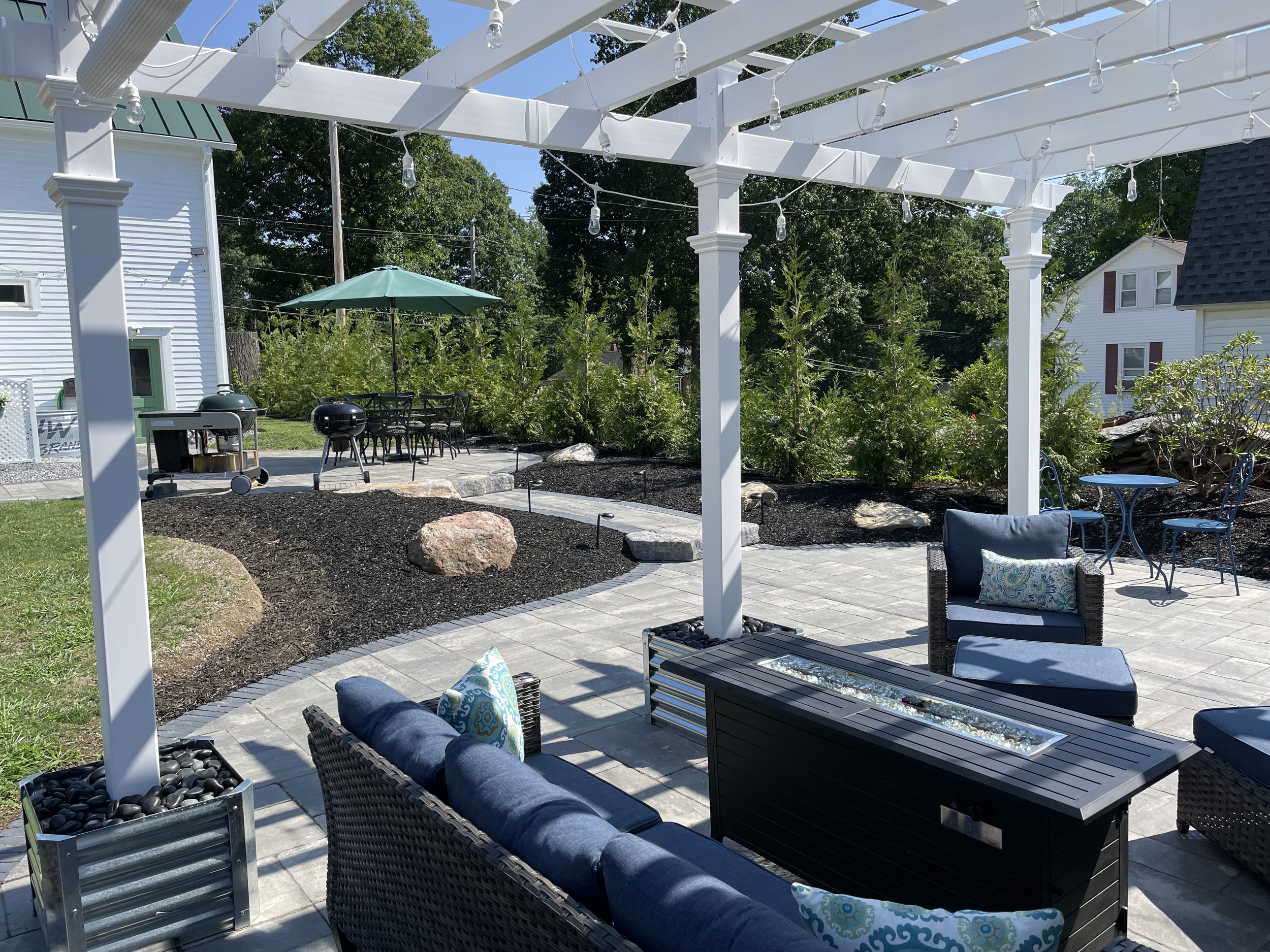
How to Choose the Right Pergola Style to Fit Seamlessly Into Your Landscape Design in Wellesley, MA
When planning to add a pergola to your outdoor space in Wellesley, MA, the structure should not only serve as a functional shade feature but also blend effortlessly into the overall landscape design. Landscape professionals can guide you through the process, ensuring that the pergola chosen aligns perfectly with the existing elements in your backyard. Here are several considerations that can help you select the ideal pergola style for your landscape.

Top Outdoor Lighting Solutions for Illuminating Walkways in Concord and Newton, MA
As the sun sets over Concord and Newton, MA, outdoor spaces can transform into serene retreats with the proper outdoor lighting. Expertly designed outdoor lighting enhances the beauty of your landscape and ensures peace of mind and functionality of your walkways. When you hire professional landscape services, you can trust that every detail will be meticulously handled, from design to installation, allowing you to enjoy the results without lifting a finger.

5 Advantages of Installing an Irrigation System for Your Wellesley or Ashland, MA Home
For many homeowners, the idea of enjoying a lush, beautifully maintained lawn is a key aspect of residential bliss. Yet, achieving and maintaining such a landscape often requires more than just sporadic attention—it demands a systematic approach to irrigation. With professional irrigation systems expertly installed in Wellesley and Ashland, MA, your lawn can not only survive but thrive, becoming a source of pride and a center of relaxation at your home.